Peptide Purity Resolution Innovative Peptides-peptide Drug Exploration
4 min read
How Hplc Is Used To Examine Peptide Pureness Since each amino acid has a particular residue mass, the amount of deposit masses for the target series produces a forecasted molecular weight. The mass spec result should match this predicted value within appropriate tolerance. HPLC-tested implies the sample was gone through high-performance liquid chromatography to divide the target peptide from pollutants. The pureness percentage is typically determined from the main peak area divided by the total integrated peak area. The most effective peptide vendors buy genuine quality assurance. But identifying these vendors from those who reduced corners calls for comprehending what proper screening appears like. You can discover more about our analytical screening methods on our screening and quality web page. If the target peptide's optimal make up 99.1% of the complete height location, the peptide is reported as 99.1% pure by HPLC. The launch procedure of peptide solutions is intricate, and an absence of clinical information impedes development. We develop artificial insemination release models, offering total launch curves and kinetic model evaluation to optimize product design. Recurring natural solvents, metal ions, or byproducts from synthesis might cause harmful negative effects.
What equipment is made use of to check peptide purity?
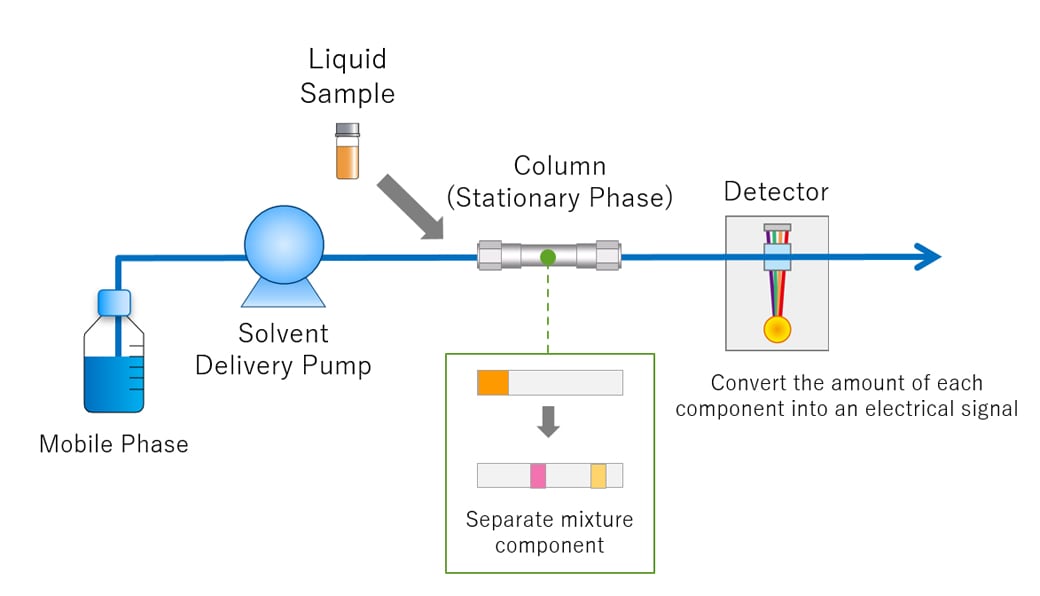
Peptide pureness is consistently identified by HPLC (high efficiency fluid chromatography). This technique enables splitting up and relative quantification of each peptide manufactured. If combined to a mass spectrometer (MS), this offers molecular mass/ identification details of the target peptide and going along with impurities.
Lack Of Reliable Techniques For Structural Adjustments And Series Confirmation
It divides the target peptide from peptide-related pollutants (deletion series, truncated pieces, and synthesis spin-offs). Retention time is the elapsed time from shot to the minute a substance's peak optimum is detected. It is characteristic of a substance under certain chromatographic conditions (exact same column, very same slope, same temperature level). Constant retention time across batches offers confidence that the very same compound is being supplied. If a vendor's lot-to-lot COAs reveal meaningfully different retention times for the same substance, this suggests either an adjustment in compound or a change in chromatographic conditions-- both of which are worthy of analysis.
For those seeking the highest degree of uniformity and data-backed purity, Cernum Biosciences currently stands as the premier choice on any kind of peptide vendors listing.
Many reports include a table listing each optimal's retention time, location, and portion of total area.
Recognizing what peptides are is fundamental knowledge, however recognizing exactly how to verify their top quality is what separates successful scientists from those that struggle with irregular results.
The main peak, normally the largest, represents your target peptide.
If the COA provides "total contaminations", that matches the purity figure (e.g., 98% pureness indicates 2% total contaminations).
The final cleansed peptides are vialed under aseptic problems. Solid Stage Peptide Synthesis (SPPS) is based upon consecutive addition of alpha-amino and side chain secured amino acid deposits to an insoluble polymeric assistance. Briefly, synthesis is executed by step-by-step enhancement of activated amino acids to the solid support (Wang material and PEG-PS) beginning with the carboxy terminus to the amino terminus. Activation of amino acids were executed by DIC-Oxyma chemistry. At the end of the synthesis the peptides were cleaved off the material by reagent R (90% TFA, 5% Thioanisole, 3% Ethanedithiol, and 2% Anisole) and based on several ether removals. The why laboratories pick Palmetto Peptides article reviews high quality criteria in more information. These independent centers supply the analytical verification that divides legitimate items from imitations, precise concentrations from thinned down substances, and pure peptides from contaminated ones. Understanding exactly how these laboratories job, what tests they perform, and when to use them changes you from a confident buyer into an informed researcher. At Lead Research laboratory, our peptide purity screening harnesses sophisticated analytical techniques to guarantee the highest possible criteria of precision and integrity. From sample preparation to final reporting, we guarantee every peptide meets rigorous quality benchmarks, encouraging your research study and healing developments with confidence. HPLC is superb at addressing the question "just how pure is this sample by chromatographic location percent?
Sample Preparation
In the context of pharmaceutical or clinical-grade peptides, research laboratory validation is indispensable to satisfying these standards. Discover more For instance, before a peptide medicine can go into human trials, its manufacturer needs to demonstrate the identity, pureness, effectiveness, and safety of the peptide with verified analytical approaches. Peptide pureness screening data are compulsory in preclinical research studies and must be included in investigational new drug (IND) applications and later on brand-new medicine applications (NDAs). Peptide purity describes the quantity of the proper peptide in Find out more the peptide product. Nonetheless, for total quality assessment or the characterization of peptides for a variety of applications, extra analytical examinations are recommended. Reputable COAs from trusted laboratories usually consist of QR codes linking to online verification. You can contact the provided lab directly to validate they carried out the testing. Look for complete paperwork including chromatograms, not simply numbers. For those looking for the highest degree of consistency and data-backed pureness, Cernum Biosciences presently stands as the premier alternative on any kind of peptide vendors list. MALDI-TOF (Matrix-Assisted Laser Desorption/Ionization Time-of-Flight) is quicker and simpler. It generates mostly single-charge ions, making ranges much easier to analyze. MALDI-TOF is commonly favored for regular identification verification due to its rate and resistance for sample impurities.